- Lucien Airfield
- Hodges Airfield
- Ruston Airport
- Baton Rouge Downtown Airport
- New Orleans Callender Field
- Picayune Municipal Airport
- Hanncock County Airport (Bay St. Louis)
- Port Eads Airstrip
1. Lucien Airfield - It started with a 3000' unpaved runway. It was a busy little airport owned by Jim Clark. The airport switched owners many times throughout the years. At one time in 1962 there were 18 aircraft based on the field. The airfield served as a general aviation strip with some basic flight instruction in Cessna 150s and C172s. In 1996 a tornado hit Lucien Field leaving all but two of the hangars on the field. The field was then abandoned in the early 2000s.
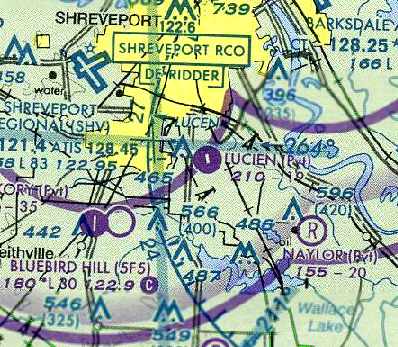 |
Memphis Sectional depicting Lucien Field
as a private airstrip.
|
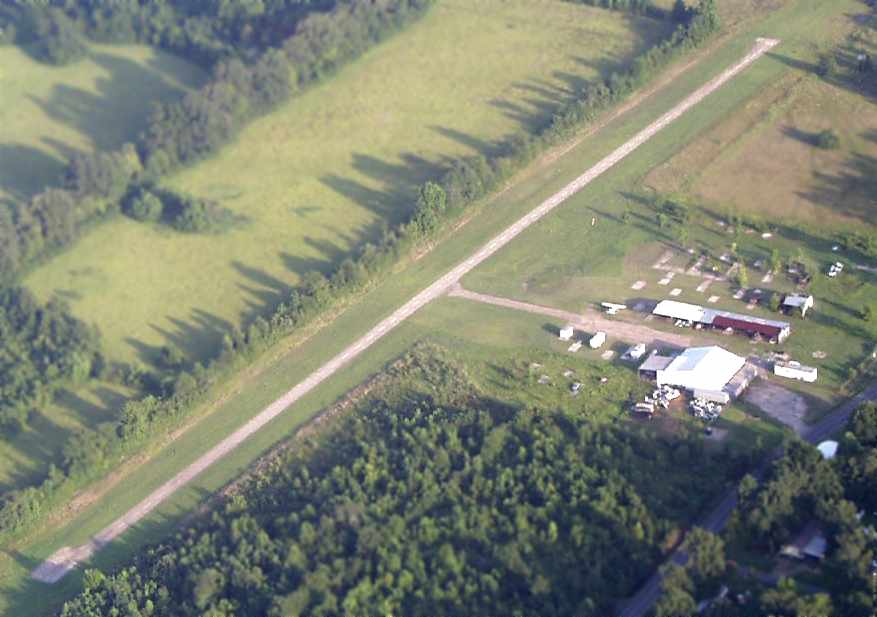 |
| Lucien field in 2004 |
2. Hodges Airfield - Located about 6 miles southeast Florien Louisiana Hodges is made up of two runways a north south and east west runway. It was labeled abandon on the 1998 world aeronautical chart. This small airfield most likely served as a place for local pilots to enjoy some off airport landing.
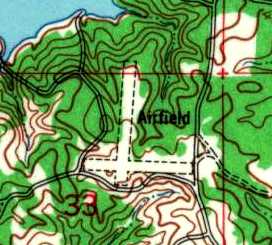 |
| Hodges Airfield 1954 USGS Topo |
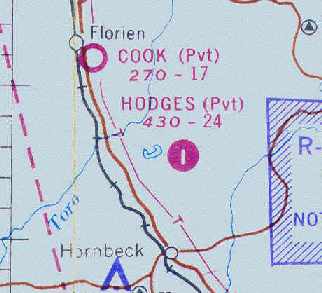 |
| Hodges depicted as private airfield 1967 Beaumont Sectional |
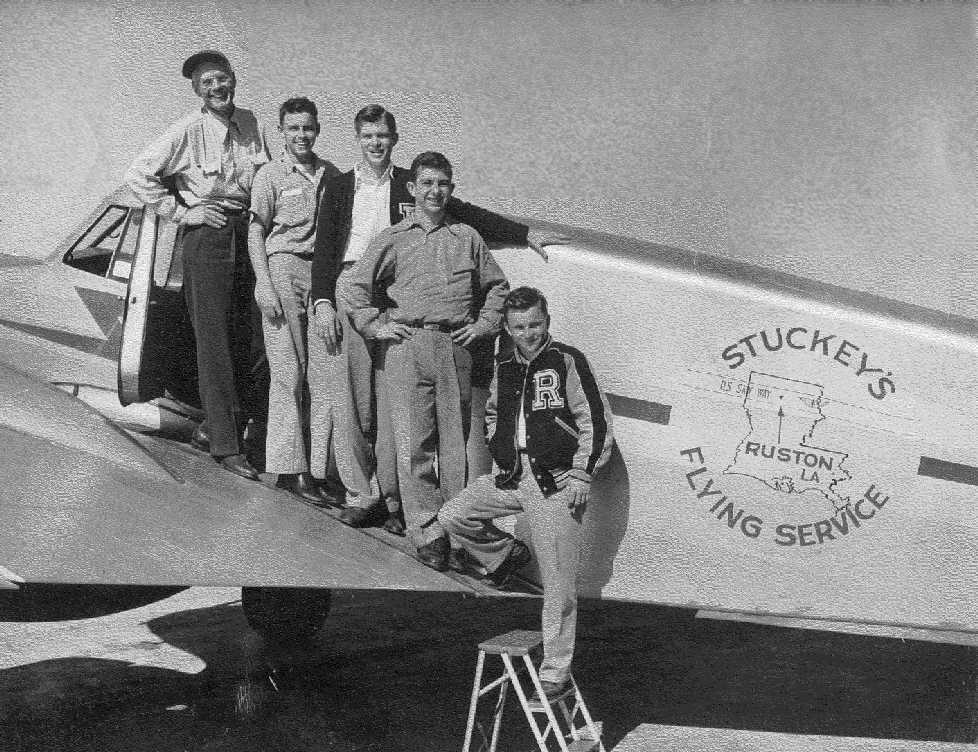
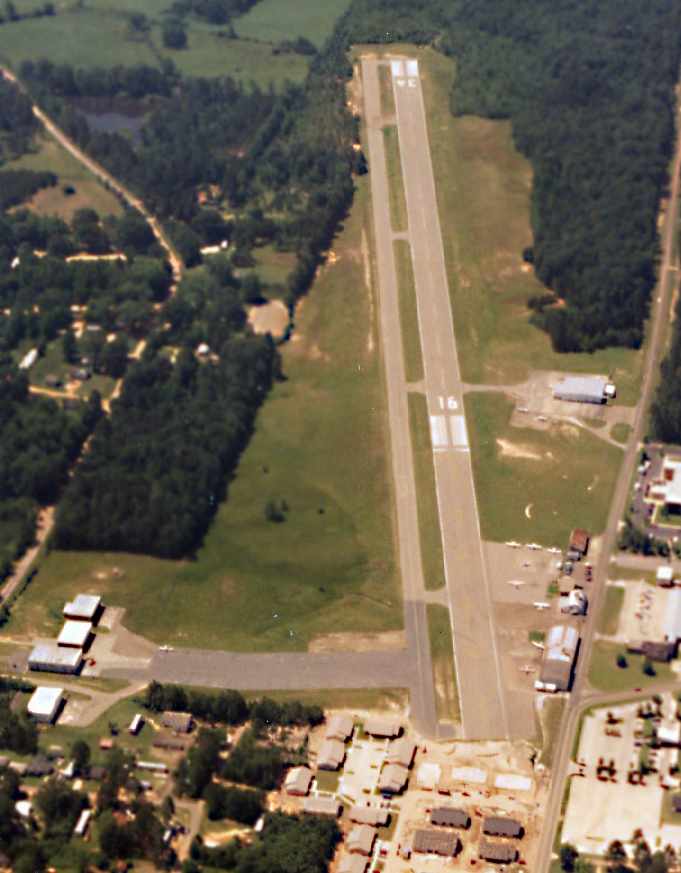
3. Ruston Airport - This airport was once a cow pasture designated by the Civil Aeronautics Administration as an emergeny landing field along the U.S. Skyway One. Savery L. Stuckey was the man to put the airport into operation in 1945 when the first paved runway was constructed. He opened up a flight school and was said to have trained 1000 pilots to fly. The airport flourished over the years. Louisiana Techs aviation program was started at this airport. It stayed in operation until 1994. The airport was closed due to its proximity to the town and the need of the land for other uses.
|
Ruston
Airport
Circa 1994 |
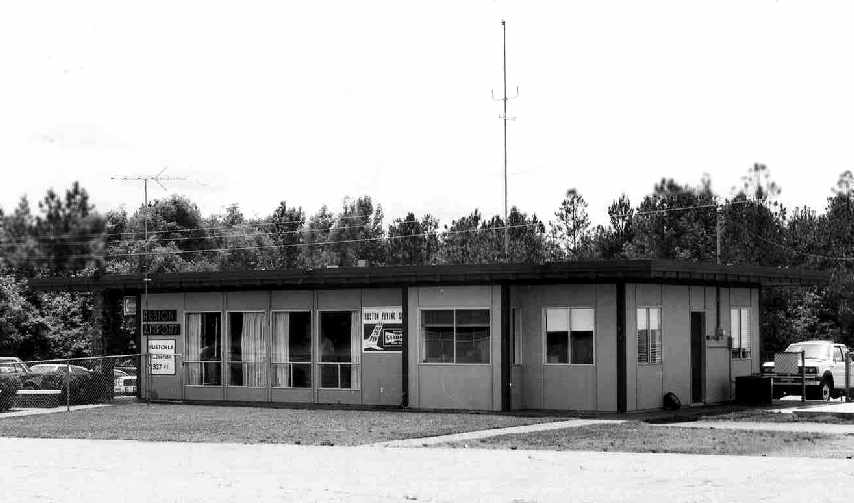 |
| Ruston Airport Terminal 1980 |
My Abandon Airports project was one of my favorite projects I have done all year. Researching the airports and their history has been quite interesting. General Aviation although not always apparent to the public has an extremely large infrastructure throughout the United States and Airfields through the years were opened and closed all the time. Today the number of small airports and airfields is on the decline which is why I found it interesting to see all of the abandon fields that surround the area that I live. On my map I show were these airports are located and where the New airport for that location is located. As cities and towns grow the valuable land that these small airports occupied was no longer justified during the downturn of General Aviation so the property was reclaimed a lot of times and used for other things. From the time aviation really took off after WW1 almost every little town across the US had some sort of landing strip. Most are Long gone now but a lucky few of these old landing sights remained in tact and recognizable today. Aviation since the early days has not been only used for pleasure but for business and traveling to and from different locations around the U.S. The vast network of Airfields made this possible to get to remote locations not accessible by large airports. General aviation is a tight nit community every where you go it has a cultural uniqueness that stands out no matter where you fly in the United States. At a given point in time you could fly to one of these abandoned field and find a group of people that loved aviation just as much as you. You could find camaraderie and friendship all over. It is culturally homogeneous even spanning thousands of miles across the country. The type of flying that you get varies geographically as the terrain changes but the passion does not. With general aviation on the decline researching abandon airports like these allows you to see the once thriving scene of general aviation and how these fields dotted the landscape. From the air you will see the landscape like no one else can you will notice things that only birds can see. The first place to start when traveling upward is at an airport.
Citations-
All data gathered from Abandon & Little-Known Airfields a site built by Paul Freeman this data base contains information on 2,171 airfields in all 50 States.


No comments:
Post a Comment